
Trend Spotting – What We Spotted [JULY EDITION]
25 Jul 2025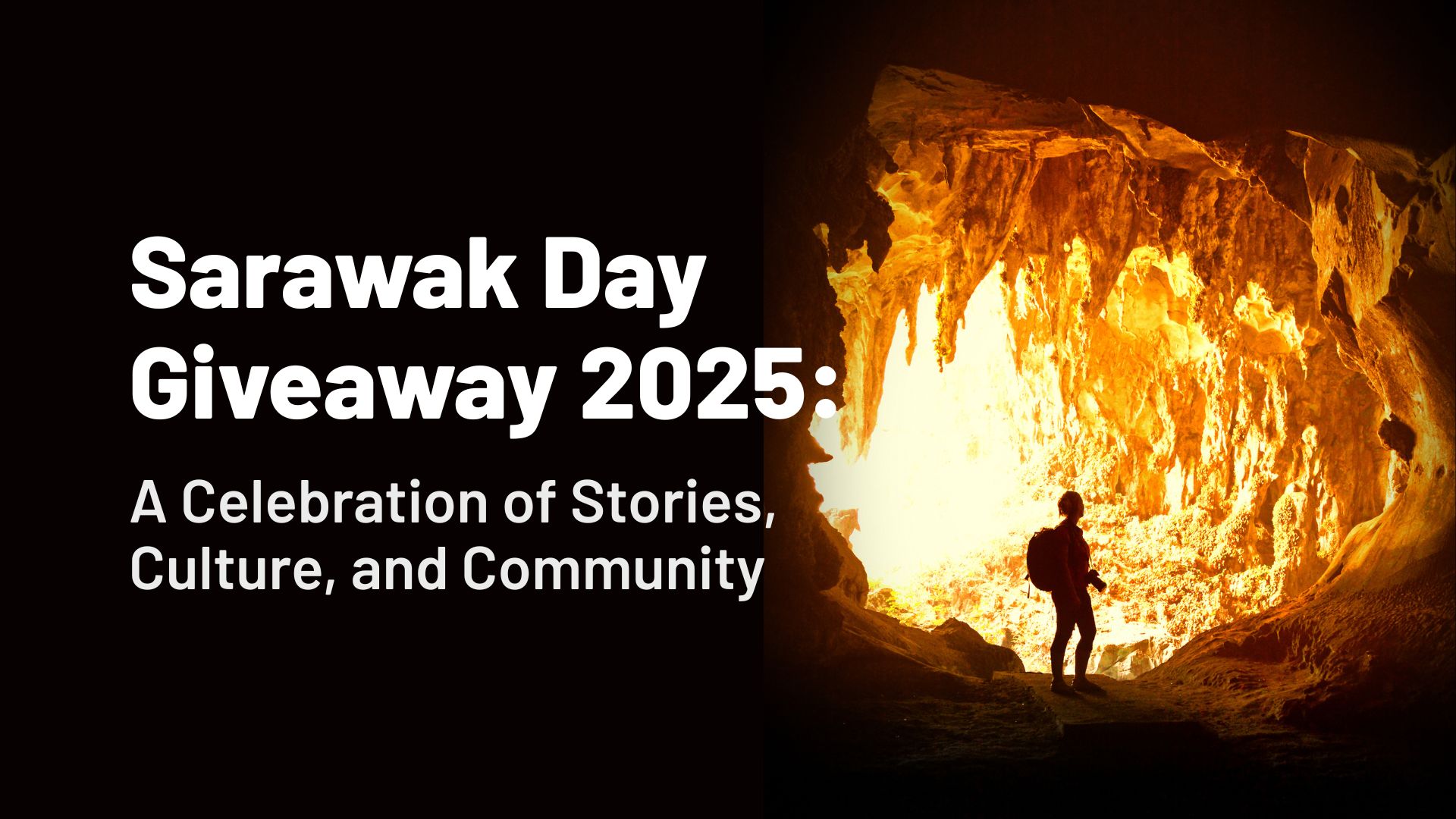
Sarawak Day Giveaway 2025: A Celebration of Stories, Culture, and Community
25 Aug 2025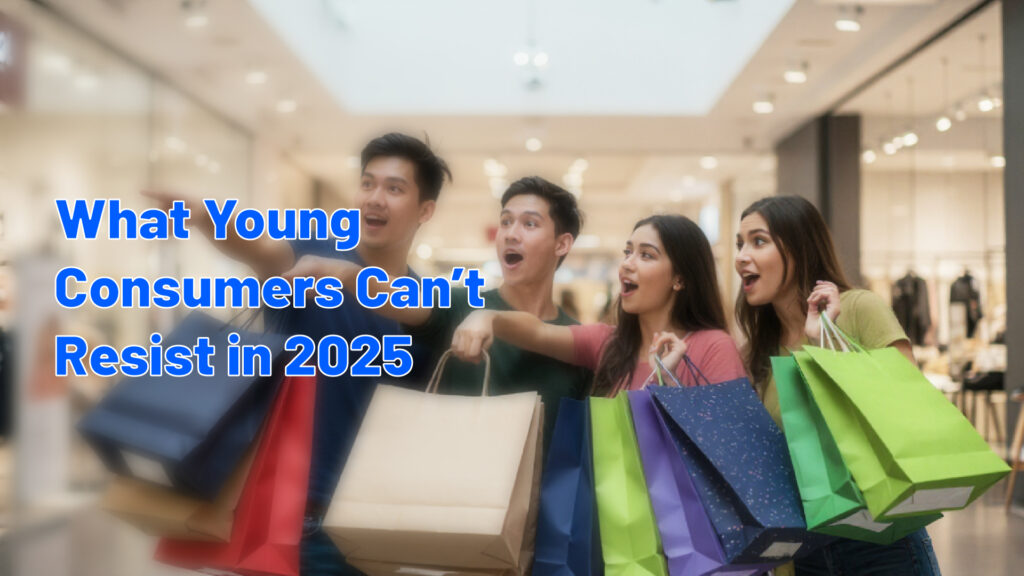
What Young Consumers Can’t Resist in 2025
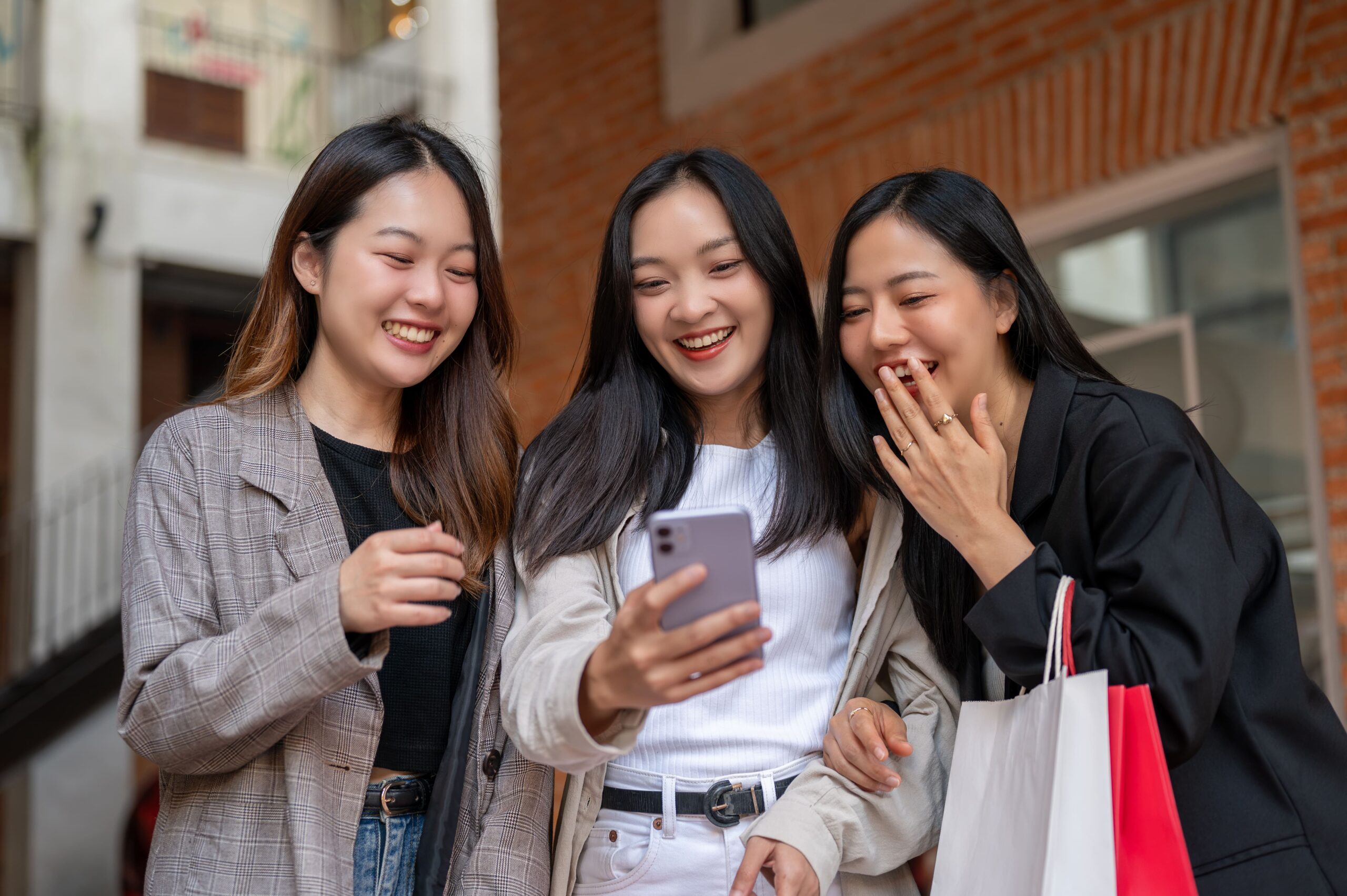
As we move deeper into 2025, the spending power of Gen Z and the emerging Alpha generation is becoming an undeniable market force. These consumers are not just buying products, instead they are buying meaning, experiences, and alignment with their personal values. For brands, this means that traditional product push strategies are no longer enough. The brands that win will be those that understand and act on these three irresistible consumer drivers.
1. The “Light Luxury Upgrade”
Today’s young consumers grew up in a world of economic uncertainty, which has shaped them into pragmatic yet aspirational buyers. Instead of chasing big-name luxury, they seek “small but quality” upgrades in their lifestyles, products that carry design finesse, storytelling depth, and a strong sense of value.
Implication for brands:
- Position your offerings as accessible luxuries with emotional and cultural resonance.
- Use storytelling to create an aura of uniqueness, even for everyday products.
- Limited editions and collaborations with niche designers can amplify exclusivity.

2. Anti-anxiety living to buying peace of mind
In an age of fast-paced life and constant digital noise, mental sustainability is as important as environmental sustainability. Young consumers are willing to pay for products and services that offer emotional stability and a sense of calm.
Implication for brands:
- Infuse sensory and emotional benefits into products e.g., scent, texture, sound, or ritual.
- Content marketing should focus on emotional wellbeing and “mental companionship.”
- Integrate wellness functions into daily-use items, lowering the barrier to emotional care.

3. New standard of health
Health consciousness has shifted from broad wellness goals to micro-level, data-backed optimizations. Consumers want measurable, scientifically validated benefits whether it’s nutrition, skincare, or wearable tech.
Implication for brands:
- Highlight active ingredients, proven efficacy, and scientific credentials in packaging and advertising.
- Collaborate with health-tech solutions for integrated tracking via apps or devices.
- Explore “functional” product lines that blend health benefits with lifestyle appeal.

4. Digital identity consumption
The metaverse, gaming worlds, and social platforms have evolved into stages where personal identity is constantly curated and displayed. Young consumers are investing heavily in their “digital personas,” from gaming skins and virtual fashion to AI avatars and NFT assets. This is more than play, it’s a form of self-expression and status signaling in the virtual arena.
Implication for brands:
- Develop virtual editions of products or immersive experiences that allow consumers to “own” in both physical and digital realms.
- Partner with gaming, metaverse, and social platforms to launch digital-first collectibles or limited-edition assets.
- Build community-driven virtual experiences that strengthen identity and belonging.

5. Refined sustainability
The new wave of “anti-consumerism” is not about rejecting purchases, but about buying better, fewer, higher-quality, and longer-lasting items. Sustainability is non-negotiable, but it must come with beauty and functionality. This is a shift from “cheap green” to “premium green,” where design, durability, and ethical sourcing are all part of the package.
Implication for brands:
- Provide refillable, repairable, or recyclable packaging solutions without compromising style.
- Elevate eco-friendly design so it feels aspirational, not sacrificial.
- Back sustainability claims with transparent supply-chain storytelling to prove it’s more than a marketing slogan.

6. Local culture revival
Globalization has paradoxically sparked a hunger for local cultural roots. Young consumers are rediscovering and reinterpreting their native traditions, symbols, stories and transforming them into fashion statements, lifestyle choices, and pop culture icons. Crossovers between traditional heritage and contemporary style are finding a receptive audience at home and abroad.
Implication for brands:
- Infuse local cultural elements into modern design, materials, and product storytelling.
- Share heritage stories through a global lens to attract both domestic pride and international curiosity.
- Collaborate across industries (e.g., fashion × music, crafts × tech) to amplify cultural influence.

Final Word
In 2025, young consumers are not swayed by price tags alone. They are swayed by perceived emotional and functional value. For marketers, this is a call to go beyond transactional selling and embrace a holistic approach where design, story, science, and sensory experiences converge. Brands that adapt to these mindsets will not only capture attention but earn lasting loyalty in a crowded market.
Ready to connect with young consumers in a way that truly resonates?
Contact us and let’s build your next move together.
References
- McKinsey – State of Fashion 2025
- GQ – No-Buy 2025 Movement
- Investopedia – A Paradigm Shift in Consumer Culture
- Greenbook – The Rise of Intentional Spending in 2025
- Marketing Inc – What Captures Gen Z’s Attention in 2025
- Wikipedia – Digital Fashion
- TheeDigital – Digital Marketing Trends
- GlobeScan – More Americans Say They Are Buying Sustainable Products in 2025
- McKinsey – State of the Consumer
- Chus.vn – Gen Z Consumption Trends: Why Young People Choose Local